Learning on Dawang: A Different Way of Learning, Grounded in Culture and Community
KWAC is proud to share the continued growth of Learning on Dawang (LoD), a community-designed alternative education program supporting children aged 8–12 in Kununurra.
Developed through a co-design process in Term 3 2025, LoD brings together families, community members, East Kimberley College and Kimberley Juvenile Justice Strategy as a part of the Department of Justice to create a culturally grounded learning environment for children who experience complex vulnerabilities that impact their mainstream schooling and are at risk of falling into the justice system.
Built by Community, for Community
From the beginning, LoD has been shaped by local voices. The co-design process ensured the program reflects what young people need, while also drawing on the knowledge and guidance of community and partner organisations.
What started as a structured, short-term classroom model has evolved. The program now offers more flexible, ongoing support, recognising that every child’s journey is different. Some transition back into mainstream schooling, while others remain longer to build confidence and stability.
What Learning Looks Like
LoD runs Monday to Thursday during the school term, providing a consistent and supportive routine.
Each week combines:
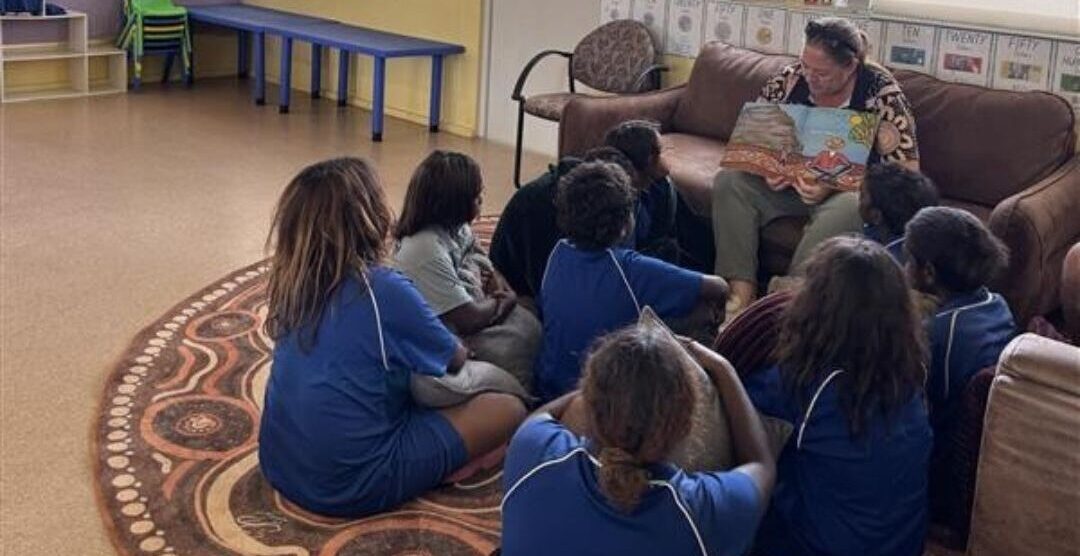
- On-Country learning connecting young people to culture and place
- Classroom-based education including reading, writing, maths and IT
- Practical life skills such as cooking, budgeting and teamwork
- Daily meals and transport to remove barriers to participation
- Fridays provide additional space for boys’ and girls’ activities, with some students also transitioning back into their mainstream classes
This balanced approach supports both educational engagement and social and emotional wellbeing.
Learning as We Go
A key strength of LoD is its ability to adapt.
KWAC has taken a learning-by-doing approach, adjusting the program as each cohort moves through. What began as a three-week model has extended to five and eight weeks, reflecting what works best for the children involved.
The program has also highlighted:
- The importance of strong partnerships with schools and support services
- The need for flexible transitions for each child
- The critical role of culture and connection in re-engagement
A Good News Story
LoD is already making a difference.
Young people who were at risk of disengaging are now showing up, participating, and reconnecting with school, with culture, and with their future. The program creates a space where children feel safe, supported and capable.
It is a reminder that when solutions are led by community, grounded in culture, and supported by strong partnerships, meaningful change is possible.
Looking Ahead
LoD continues to evolve as we listen, learn and respond to community.
At KWAC, this work reflects our commitment to being by community, for community, to strengthen community—walking alongside young people and their families to build stronger foundations for the future.